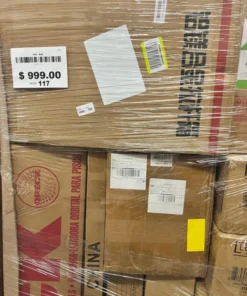
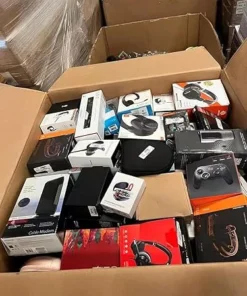
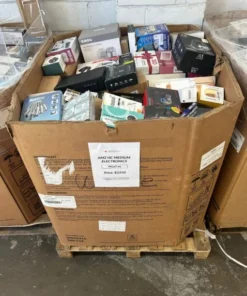
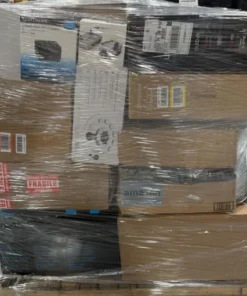
How to Resell Liquidation Pallets on eBay, Amazon, Poshmark, and More
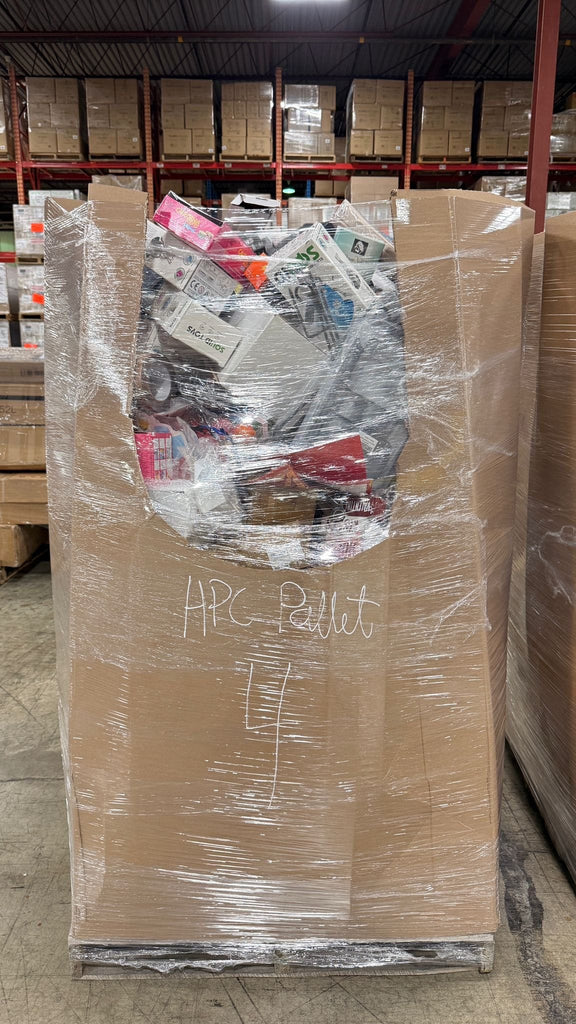
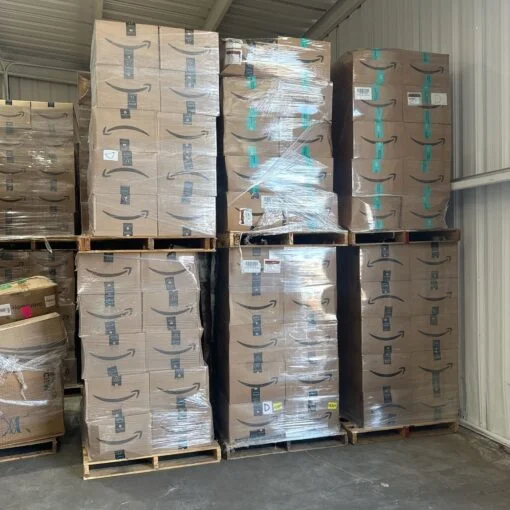
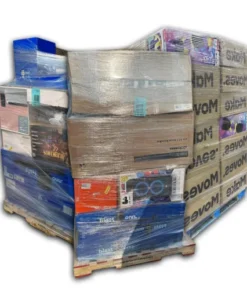
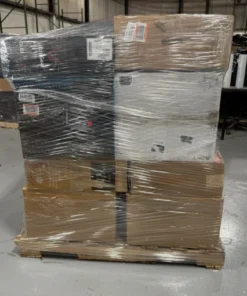
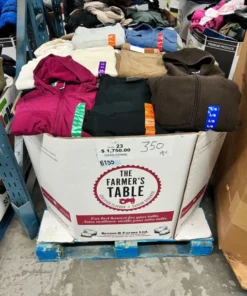
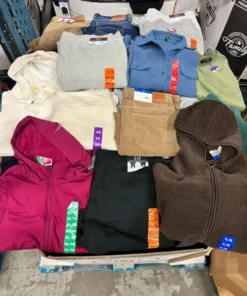
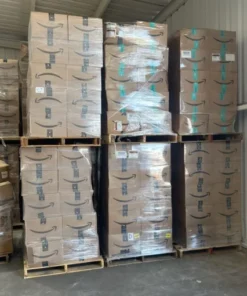
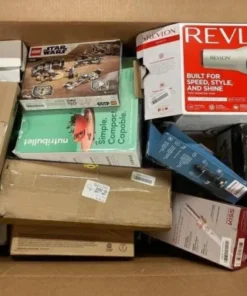
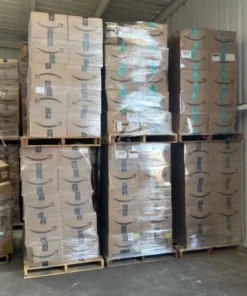
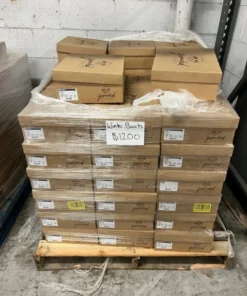
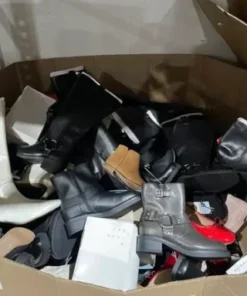
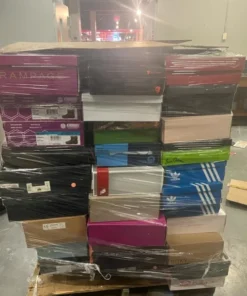
Buying a liquidation pallet is only the first half of the resale equation. The second half is selling your inventory profitably through the right channels for your specific product mix. The biggest mistake resellers make is buying inventory first and figuring out where to sell it afterward. This guide covers the major resale platforms in the US and European markets, what categories perform best on each, and the practical steps to get your liquidation inventory listed and selling as quickly as possible after your pallet arrives.
eBay
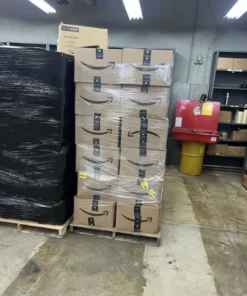
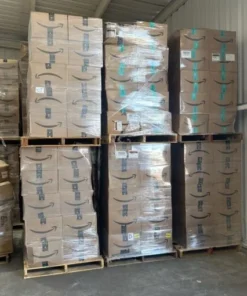
eBay is the largest and most versatile resale platform for liquidation inventory because it supports every product category, every condition tier, and buyers in virtually every country. If you are reselling mixed category Amazon liquidation pallets, eBay is typically the first platform you should list on because the buyer base is broad enough to absorb a wide variety of products without requiring you to build a niche audience first.
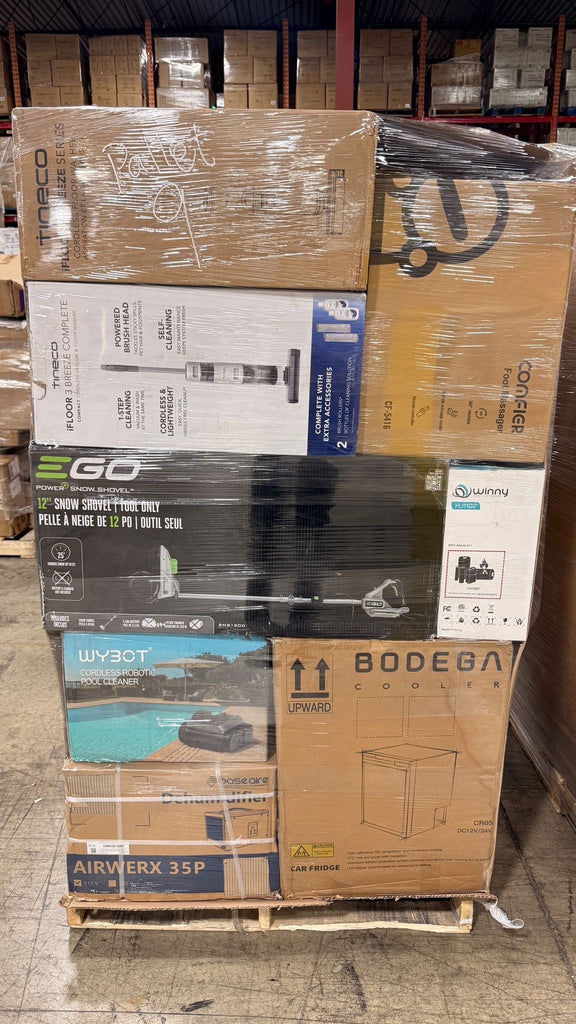
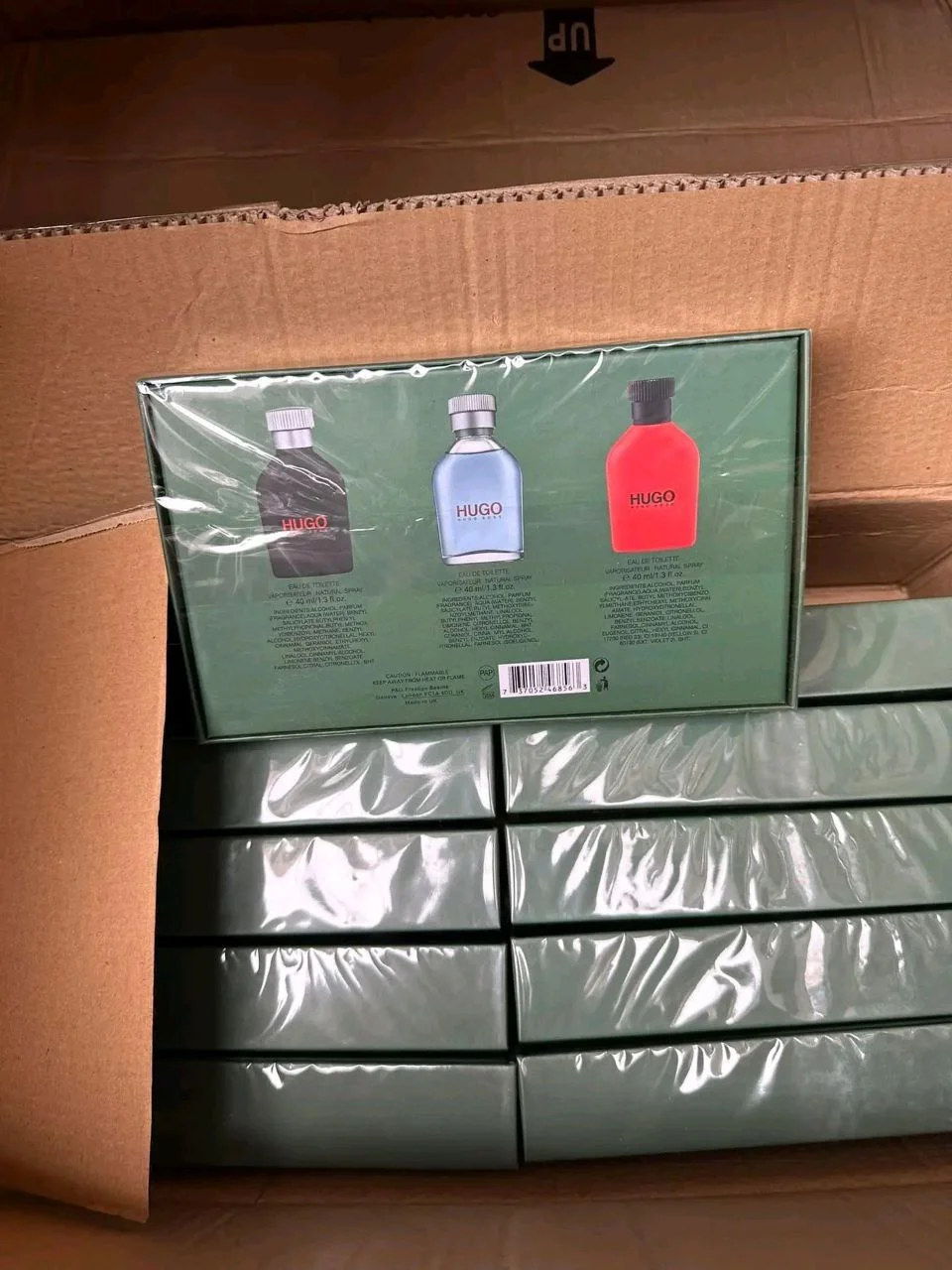
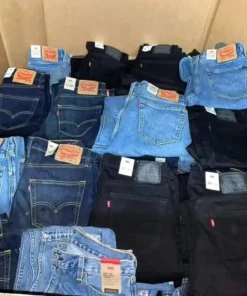
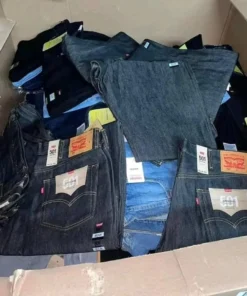
Electronics perform particularly strongly on eBay because buyers searching for specific models, specific generations, and specific conditions land directly on your listing through eBay’s search function. Tools, household goods, branded clothing, footwear, and designer fragrances all have active eBay buyer communities. The key to eBay success with liquidation inventory is accurate condition description and competitive pricing relative to current sold listings, not asking prices. Always research the sold listings filter on eBay before pricing any item to understand what buyers are actually paying rather than what other sellers are asking.
eBay’s fee structure typically runs between 10 and 13 percent of the final sale value depending on your category and seller level, plus PayPal or payment processing fees. Factor these into your pricing before listing. Free shipping listings consistently outperform paid shipping listings on eBay, particularly for lower-value items where shipping cost represents a significant percentage of the sale price.
Amazon
Amazon is the strongest platform for new and renewed condition electronics, household goods, and general merchandise from overstock pallets. If your pallet contains new, sealed items, Amazon listings can command prices closer to full retail than any other platform because Amazon buyers have higher price tolerance when condition is guaranteed.
The key requirement for selling liquidation inventory on Amazon is accurate condition grading. New condition requires factory sealed, unused items. Renewed or refurbished condition requires items that have been tested and certified to function as intended. Used condition covers everything else and must be described accurately with clear notes about cosmetic condition and completeness. Misrepresenting condition on Amazon leads to account suspension, which is a serious risk for any reseller building a long-term operation on the platform.
Amazon’s fee structure includes a referral fee of 8 to 15 percent depending on category, plus a fulfilment fee if you use FBA, or seller-managed shipping costs if you fulfil orders yourself. FBA is worth considering for high-volume electronics and household goods because Prime eligibility significantly increases your listing visibility and conversion rate.
Poshmark
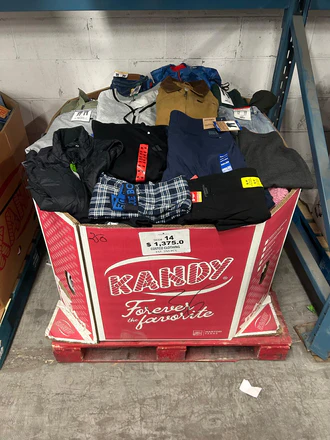
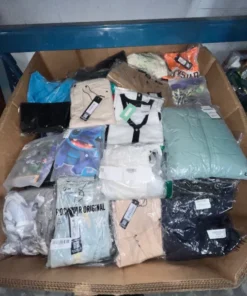
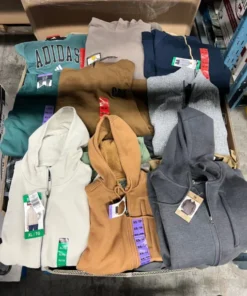
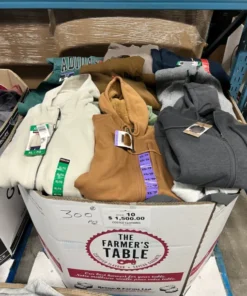
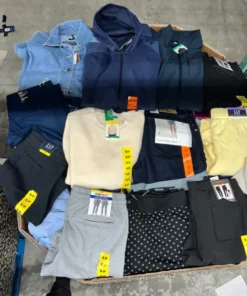
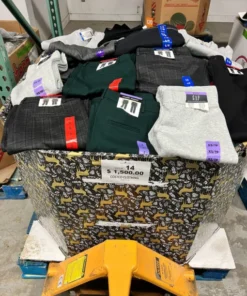
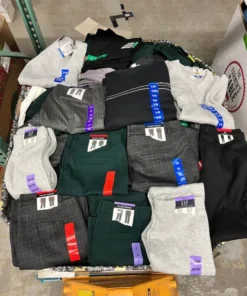
Poshmark is the strongest US platform for branded women’s fashion from liquidation pallets. If your pallet contains Free People, Zara, Gymshark, or similar recognized women’s fashion brands, Poshmark gives you access to a buyer community that specifically searches for these brands by name and is willing to pay strong resale prices for items in good condition.
Poshmark’s fee structure is straightforward: for sales under $15, Poshmark takes $2.95. For sales of $15 and above, Poshmark takes 20 percent. This is higher than eBay but the platform’s fashion-specific buyer community and lower competition from non-fashion sellers makes it worth the fee premium for clothing and fashion accessories.
Photography quality matters significantly on Poshmark. Clear, well-lit photos on a neutral background with multiple angles consistently outperform dark or cluttered photos regardless of the item itself. Invest 10 minutes per item in photography and your conversion rate will reflect it.
Depop
Depop is the platform of choice for younger fashion buyers in the US and UK, particularly for streetwear, vintage-inspired pieces, and boho fashion that overlaps with Free People’s aesthetic. If your liquidation clothing pallet contains pieces that appeal to Gen Z and younger Millennial buyers, Depop often outperforms Poshmark in sell-through speed for those specific styles.
Depop charges a 10 percent seller fee on all sales. The platform’s algorithm rewards consistent listing activity, so listing a few new items daily rather than all at once tends to generate better overall visibility for your shop.
Vinted
Vinted is the fastest-growing resale platform across Europe, particularly in Germany, France, the Netherlands, Belgium, and Poland. For European buyers who have sourced clothing, fashion, and household liquidation pallets, Vinted provides access to tens of millions of active buyers across these markets without seller fees. Vinted charges buyers a protection fee rather than sellers, which means your full sale price is your revenue before your own shipping costs.
Zara and other European fashion brands perform particularly strongly on Vinted because the platform’s largest markets are the same markets where those brands have the strongest retail presence and buyer recognition. If you are selling Zara clothing dresses, zara clothing jackets, or zara clothing jeans, Vinted’s European buyer base is one of your strongest distribution channels.
Facebook Marketplace
Facebook Marketplace is the most effective channel for local sales of tools, electronics, household goods, and furniture from liquidation pallets. The zero platform fee model means your full sale price is your revenue minus your time, making it the highest-margin channel for items where local delivery or collection is practical.
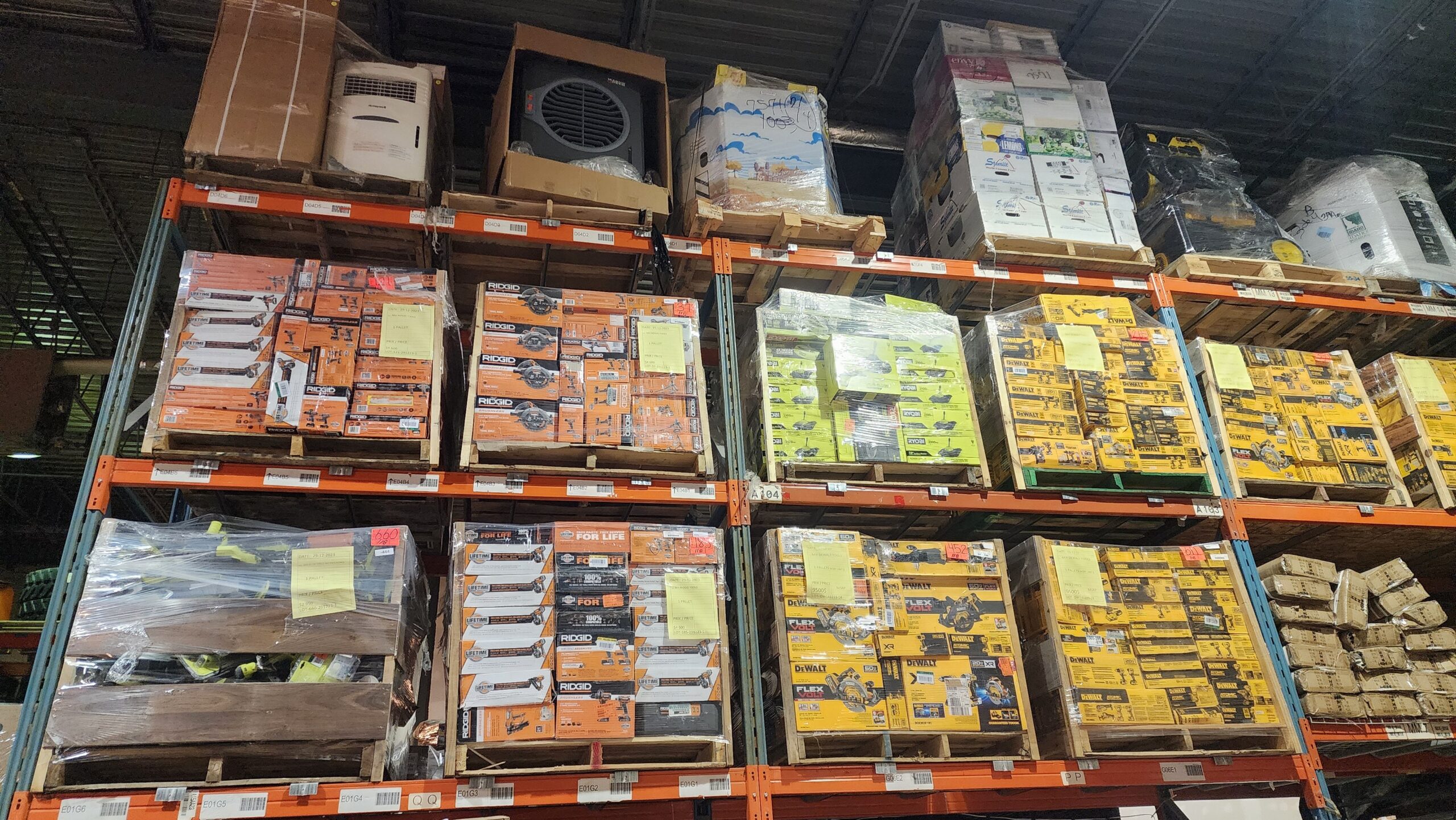
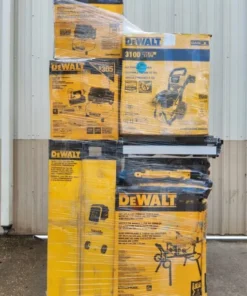
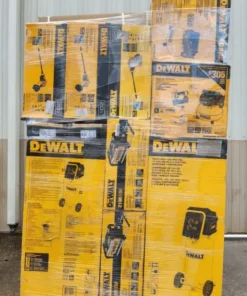
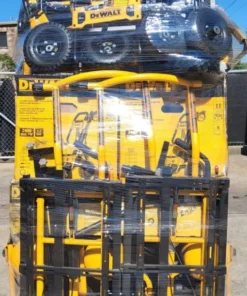
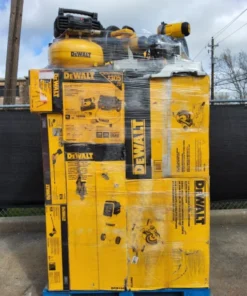
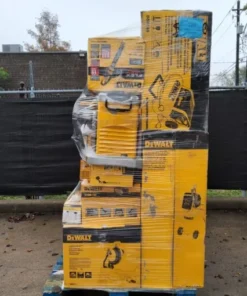
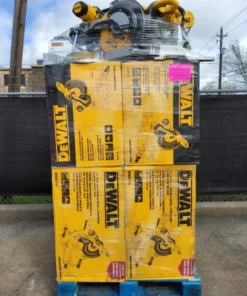
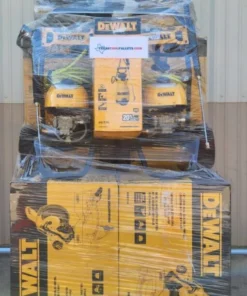
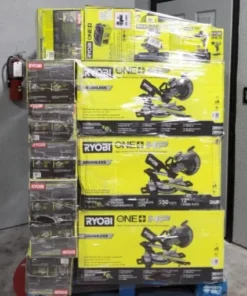
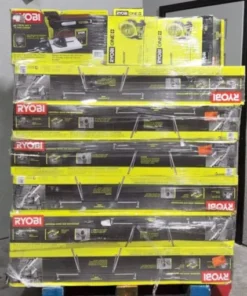
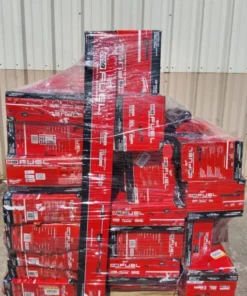
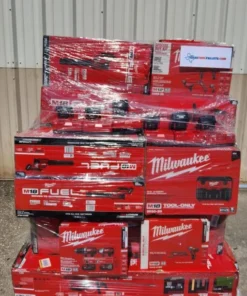
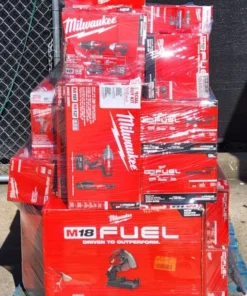
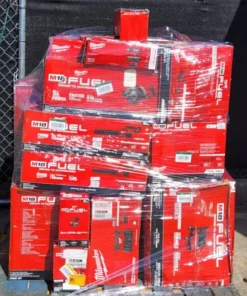
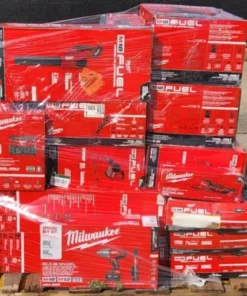
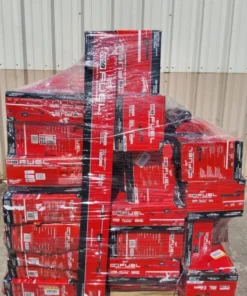
Tools and power tools in particular perform exceptionally well on Facebook Marketplace because buyers searching for specific tool brands by name find your listing in local search results and are typically ready to buy immediately. Price 10 to 20 percent below eBay asking prices to drive fast local sell-through and eliminate shipping handling entirely for those items.
Your Own Shopify or WooCommerce Store
Building your own online store around your liquidation inventory category is the highest-margin long-term strategy because you pay no platform fees on sales, you build a customer base that returns directly to you rather than finding you through a platform’s algorithm, and you control your brand positioning entirely.
The trade-off is that building traffic to your own store takes time and typically requires investment in SEO content, social media, or paid advertising before organic sales begin. For most liquidation resellers, the right approach is to start on existing platforms to generate cash flow while building your own store in parallel, then gradually shift more inventory to your own channel as traffic builds.